
At Boca Village Animal Hospital in Boca Raton, FL, we understand that pet owners may have many questions about the spaying and neutering procedure. As experienced veterinarians, we are here to provide you with the essential information you need to make an informed decision for your pet. Spaying and neutering are common veterinary surgeries that offer numerous health benefits for pets, as well as help control the animal population. We would like to answer some frequently asked questions about these procedures and what you can expect.
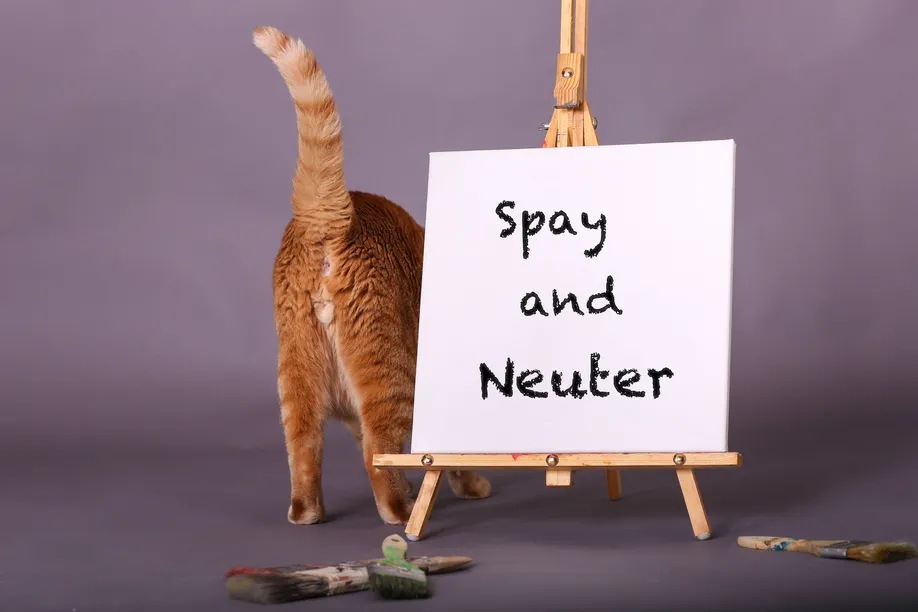
What is Spaying and Neutering?
Spaying and neutering are surgical procedures that prevent pets from reproducing. Spaying refers to the removal of a female pet’s ovaries and uterus, while neutering refers to the removal of a male pet’s testicles. Both procedures are typically performed under general anesthesia and are done in a sterile environment, such as a veterinary clinic. If you are searching for a veterinarian near you, Boca Village Animal Hospital in Boca Raton, FL, offers these procedures with experienced veterinarians who ensure your pet’s safety and comfort.
Why Should I Spay or Neuter My Pet?
There are many reasons to consider spaying or neutering your pet. These procedures can prevent unwanted pregnancies and help reduce the overall number of homeless animals. Additionally, spaying and neutering can provide health benefits, such as reducing the risk of certain cancers and preventing behavioral issues. For example, spaying a female pet can reduce the risk of uterine infections and breast cancer, while neutering a male pet can reduce aggression and prevent certain prostate conditions. These benefits make spaying and neutering an essential part of preventative veterinary care.
What Should I Expect During the Procedure?
Both spaying and neutering are routine surgeries that take a relatively short time to complete. Before the surgery, your veterinarian will perform a full health examination to ensure your pet is in good condition for anesthesia. During the procedure, your pet will be under general anesthesia, so they will not feel any pain. After the surgery, your pet will need some time to recover, and your veterinarian will provide you with aftercare instructions to help them heal properly. Most pets are able to return to their normal activities within a few days to a week.
Are There Risks Associated with Spaying and Neutering?
As with any surgery, spaying and neutering carry some risks, such as complications from anesthesia or infection at the incision site. However, these risks are minimal, especially when performed by a skilled veterinarian at a reputable veterinary clinic. At Boca Village Animal Hospital, our veterinarians take every precaution to ensure your pet’s safety during the procedure. We also provide guidance on how to care for your pet during recovery to minimize any potential risks.
How Old Should My Pet Be for Spaying or Neutering?
The ideal age for spaying or neutering varies by species and size of the animal. Generally, pets can undergo these procedures between six and nine months of age. However, your veterinarian will assess your pet’s health and provide a recommendation based on their specific needs. If you have a younger or older pet, discuss the options with a veterinarian to determine the best time for the surgery.
Contact Boca Village Animal Hospital in Boca Raton, FL
At Boca Village Animal Hospital in Boca Raton, FL, we are committed to providing excellent care for your pet. Spaying and neutering are essential procedures that can improve your pet’s health and help manage the pet population. If you are considering spaying or neutering your pet, our team of veterinarians is here to help. To learn more or schedule a consultation, call us at (561) 391-2266 today. Your pet’s health and well-being are our top priority.